
If you ask almost any African aviation executive what keeps them awake at night, the answer rarely begins with passengers.
It begins with the things that sit beneath the passenger experience. Market access, taxes, airport charges, infrastructure, aircraft financing, foreign exchange, maintenance capacity and the cost of simply staying in the air.
These are the stubborn constraints that have shaped African aviation for decades. Liberalization remains incomplete. Charges and taxes remain high. Airlines struggle to access affordable capital. Airports are often either underdeveloped, badly integrated into airline strategy or expensive to use.
China is quietly becoming relevant in two of the most important constraints in the African air transport sector, infrastructure and finance.
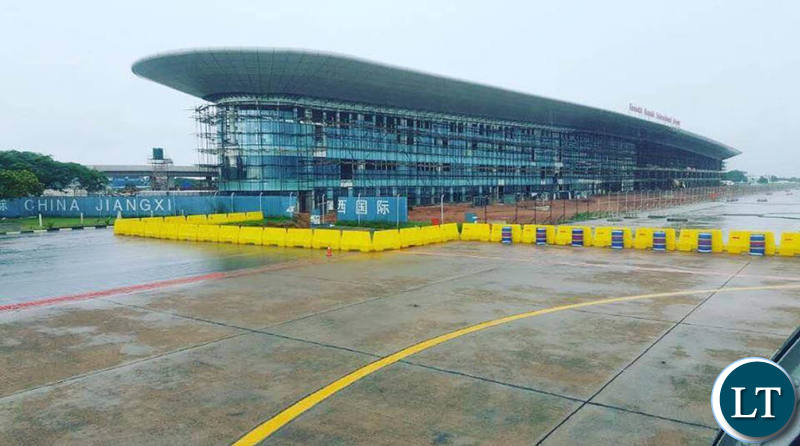
That is the real story of China in Africa. Not COMAC, at least not yet. Not a sudden challenge to Boeing or Airbus. The more important development is happening well beneath the aircraft, in terminals, runways, loan agreements, construction contracts, financing arrangements and state-to-state relationships.
China might perhaps one day reshape African aviation through the airplane. But today, it is doing it through the airport.
In recent years, the conversation around China and African aviation has focused too narrowly on whether Chinese aircraft can break the Airbus-Boeing duopoly. That conversation is premature. COMAC’s C919 is still largely China-centered and faces major barriers around certification, global support, spare parts, residual value, lessor confidence and regulator acceptance. Nigeria has considered certification of the C919 for local airlines, and COMAC has reportedly discussed maintenance, training and dry-lease support, but the aircraft will take time to become mainstream in Africa and much of the world beyond China.
While COMAC is still working to earn the confidence of airlines, financiers and regulators, China has already established itself elsewhere in Africa’s aviation ecosystem. It has done so through airports.
The Council on Foreign Relations has tracked Chinese involvement in 60 overseas airport projects since 2007, with project values ranging from $2.1 million to $2.8 billion, and sub-Saharan Africa featuring among the major regions of activity. Chinese entities are most commonly involved through construction investment, contract construction, acquisitions and leases.



Comments are closed.