
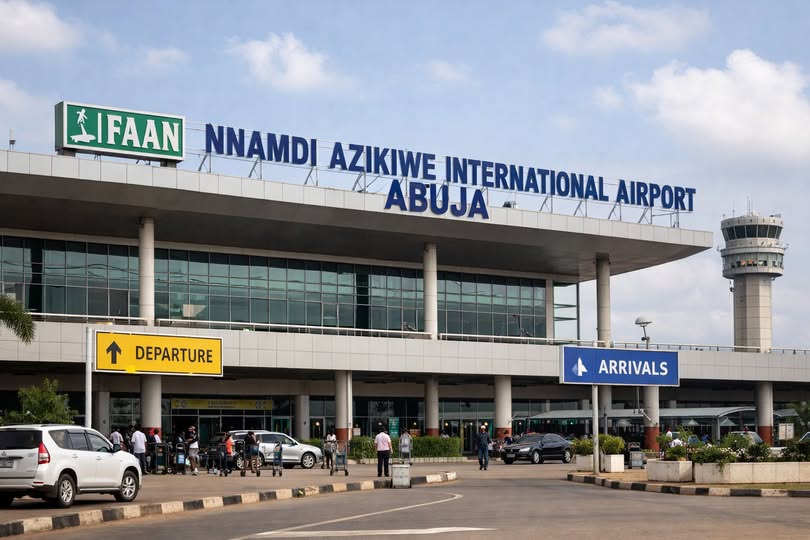
Nigeria has moved to cap jet fuel prices and introduce credit arrangements for airlines in an effort to prevent widespread flight disruptions as fuel costs surge.
The Nigerian Midstream and Downstream Petroleum Regulatory Authority has set indicative price bands for aviation fuel, with prices in Lagos expected to range between 1,760 and 1,988 naira per litre, and between 1,809 and 2,037 naira in Abuja. The regulator based the benchmarks on recent market data but warned that volatility linked to geopolitical tensions, particularly in the Middle East, could still push prices higher.
The intervention follows emergency discussions between government agencies, airlines and fuel suppliers after operators warned that jet fuel prices had risen by more than 270 percent in recent months. The spike forced airlines to increase fares and raised concerns about potential capacity cuts and service disruptions across the country.
As part of the measures, airlines will now be allowed a 30 day credit window to pay for fuel, easing immediate cash flow pressures. The government has also directed fuel marketers to supply airlines within the agreed price range, while a technical committee has recommended direct sales to reduce costs and improve transparency in the supply chain.
The move comes shortly after President Bola Tinubu approved a 30 percent relief on airlines’ debts owed to aviation agencies and instructed stakeholders to agree on a fair fuel pricing framework to stabilize the sector.
Additional recommendations include engaging the Dangote Refinery on pricing premiums and reviewing the structure of airside fuel distribution, with the possibility of reducing the number of suppliers at airports to improve efficiency. Authorities are also considering including jet fuel in Nigeria’s naira for crude initiative as a way to reduce airlines’ exposure to foreign exchange volatility.
Fuel remains the single largest cost component for airlines in Africa, often accounting for up to 40 to 50 percent of operating expenses. In Nigeria, where supply chain inefficiencies and currency pressures have historically driven costs higher, price spikes have had an immediate and significant impact on airline operations.
The latest intervention highlights the fragile economics of African aviation, where external shocks such as fuel price volatility can quickly translate into operational instability.



Comments are closed.