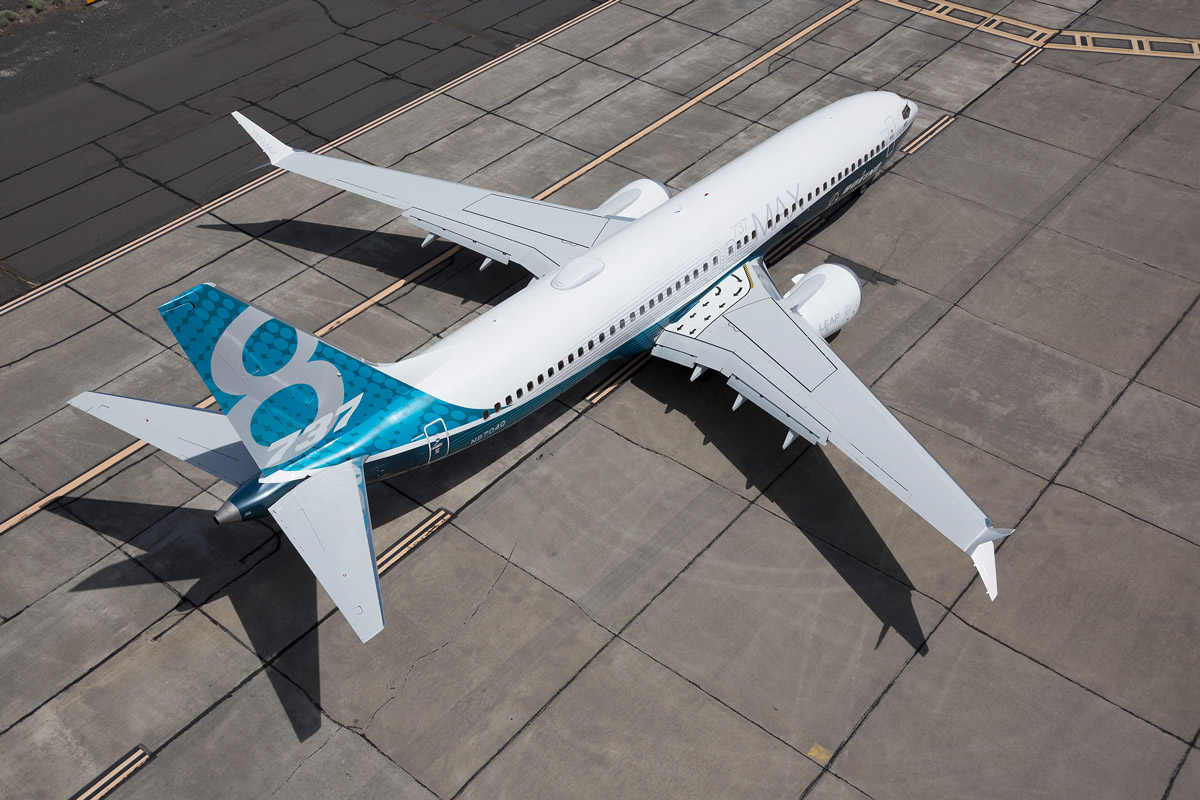
Boeing has significantly increased its forecast for aircraft demand across the continent, reflecting accelerating economic growth and rising passenger traffic that are reshaping the outlook for African aviation.
In a statement made in Nairobi this week, Boeing’s Managing Director for Africa, Henok Teferra Shawl, said the African fleet is expected to grow to around 1,700 aircraft, supported by roughly 1,205 new deliveries over the next two decades.
“The Africa opportunity is being driven by fast-growing economies that are translating into sustained air travel growth,” Shawl told journalists, underscoring the continent’s demographic and economic fundamentals as key demand drivers.
Young Population and Rapid Urbanisation Fueling Growth
Boeing’s revised outlook comes against a backdrop of strong macroeconomic projections for the region. According to the International Monetary Fund, Sub-Saharan Africa’s economic output is projected to expand by 4.6% in 2026, outpacing the global average of 3.3%.
The aerospace manufacturer estimates that air passenger traffic in Africa will grow at an annual rate of around 6% over the next two decades, fueled by a combination of a youthful and increasingly mobile population, rapid urbanisation, a growing middle class, and renewed investment in airport infrastructure and connectivity.
Boeing’s own 2025 Commercial Market Outlook projects a dramatic expansion that will require both new deliveries and fleet renewals to meet rising demand.
Single-Aisle Jets Dominate Demand
According to Boeing, single-aisle aircraft, typically used on domestic and short-haul international routes are expected to account for roughly two-thirds of total demand. This underscores the anticipated growth in point-to-point travel within Africa and between the continent and adjacent regions.
These projections align with broader trends in African aviation. As carriers expand domestic and regional networks, the need for fuel-efficient, versatile narrow-body jets has intensified particularly for low-cost carriers and newer market entrants seeking to open secondary and tertiary city routes.
Industry Implications and Ecosystem Opportunities
Boeing’s updated demand forecast signals more than just aircraft sales. It highlights the scale of opportunity for maintenance, training, pilot development and broader supply-chain services that will be needed to sustain Africa’s aviation growth. The CMO’s earlier analysis projected demand for tens of thousands of new aviation personnel including pilots, technicians and cabin crew over the next two decades.
A growing fleet also points to expanded cargo capability, supporting intra-African trade and global logistics networks, as well as strengthening export corridors. Boeing’s outlook anticipates a rise in both passenger and freight activity, with dedicated freighter aircraft playing a supporting role.
Strategic Significance for African Airlines and OEMs
For Africa’s carriers, Boeing’s revised outlook presents both opportunity and challenge. While additional aircraft can unlock new routes and frequencies, the forecast also comes amid global supply chain pressures that continue to constrain aircraft delivery schedules and maintenance ecosystems.
Airlines that position themselves early for growth through fleet planning, partnerships, workforce development and infrastructure alignment stand to benefit most from the projected aviation expansion. At the same time, robust regulatory frameworks and supportive government policies will be critical to attracting the scale of investment these forecasts imply.


Comments are closed.