
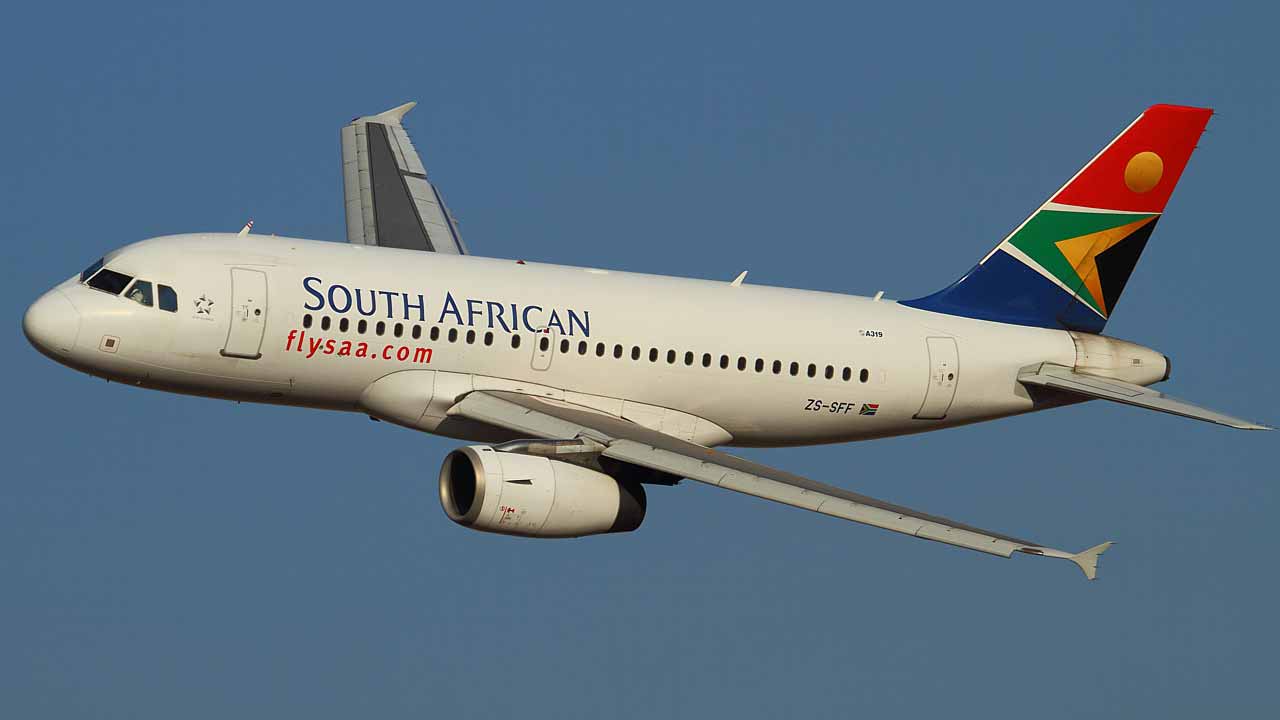
South African Airways (SAA) is evaluating the sale of its valuable landing slots at London Heathrow as part of a strategic effort to bolster its finances. Facing challenges in securing sustainable funding, the South African national carrier is exploring this high-stakes move to support operations and fund aircraft purchases. The potential sale comes as the airline seeks alternatives following the recent collapse of its privatization plan with the Takatso Group, which was initially expected to inject private capital into SAA and help stabilize its operations.
Heathrow Slots: A Lucrative Asset
The prized Heathrow slots — leased to Qatar Airways and British Airways — are among SAA’s most valuable assets. Securing access to London Heathrow, one of the world’s busiest airports, is notoriously difficult and expensive, with demand often outstripping availability. The potential sale of these landing rights recalls a controversial decision by Kenya Airways in 2016, which sold its prime Heathrow slot for approximately $70 million to meet immediate cash flow needs. Kenya Airways later struggled to maintain its competitive position on the London route, highlighting the strategic risks involved in parting with such assets.
For SAA, which has two Heathrow slots, selling just one could provide an infusion of funds without completely sacrificing its presence on the highly competitive Johannesburg–London route. SAA representatives acknowledged this in a recent parliamentary session, with one noting that even during peak operations, only one slot was fully utilized, suggesting that monetizing the unused slot could be an effective move.
The Impact of Kenya Airways’ Heathrow Slot Sale
The precedent set by Kenya Airways provides insight into the possible ramifications for SAA. Kenya Airways’ 2016 slot sale was one of the highest-ever prices paid for a Heathrow slot, second only to a $60 million transaction the previous year by American Airlines for a Scandinavian Airlines (SAS) slot. However, the sale left Kenya Airways vulnerable, affecting its market share and competitiveness on the London route, one of its primary revenue generators. This experience has been widely scrutinized and serves as a cautionary tale as SAA considers a similar path.
Failed Privatization Deal with Takatso Group
SAA’s renewed push for liquidity comes after the collapse of a high-profile privatization deal with the Takatso Group. The consortium, initially poised to acquire a 51% stake in the airline, had received preliminary government approval to inject fresh capital into SAA. However, after three years of negotiation, the deal fell through due to unpublicized disagreements, leaving SAA without the anticipated investment to fuel its recovery.
Without the support of Takatso, SAA has limited options to stabilize its balance sheet and pursue growth. The airline’s board is now exploring asset sales to generate capital for essential needs, like fleet renewal, as it faces mounting pressure to reduce costs and ensure operational continuity.
The Future of SAA and the South African Aviation Market
As SAA weighs its options, industry analysts speculate on the broader implications for South Africa’s aviation sector. Losing a Heathrow slot could diminish SAA’s market share on long-haul routes, where competition from other African and international carriers is fierce. However, the move could allow the airline to focus on more profitable regional and domestic routes, which may better align with its current financial capabilities.
The potential sale also underscores the difficult decisions facing national carriers across Africa, many of which struggle to balance profitability with their broader mandate to connect their home countries to global markets. For SAA, which has been through restructuring and multiple government bailouts, the sale of its Heathrow slots might be a last-resort option to generate urgently needed funds. However, any decision will likely be carefully weighed, given the long-term impact it could have on the airline’s market positioning and route network.


Comments are closed.