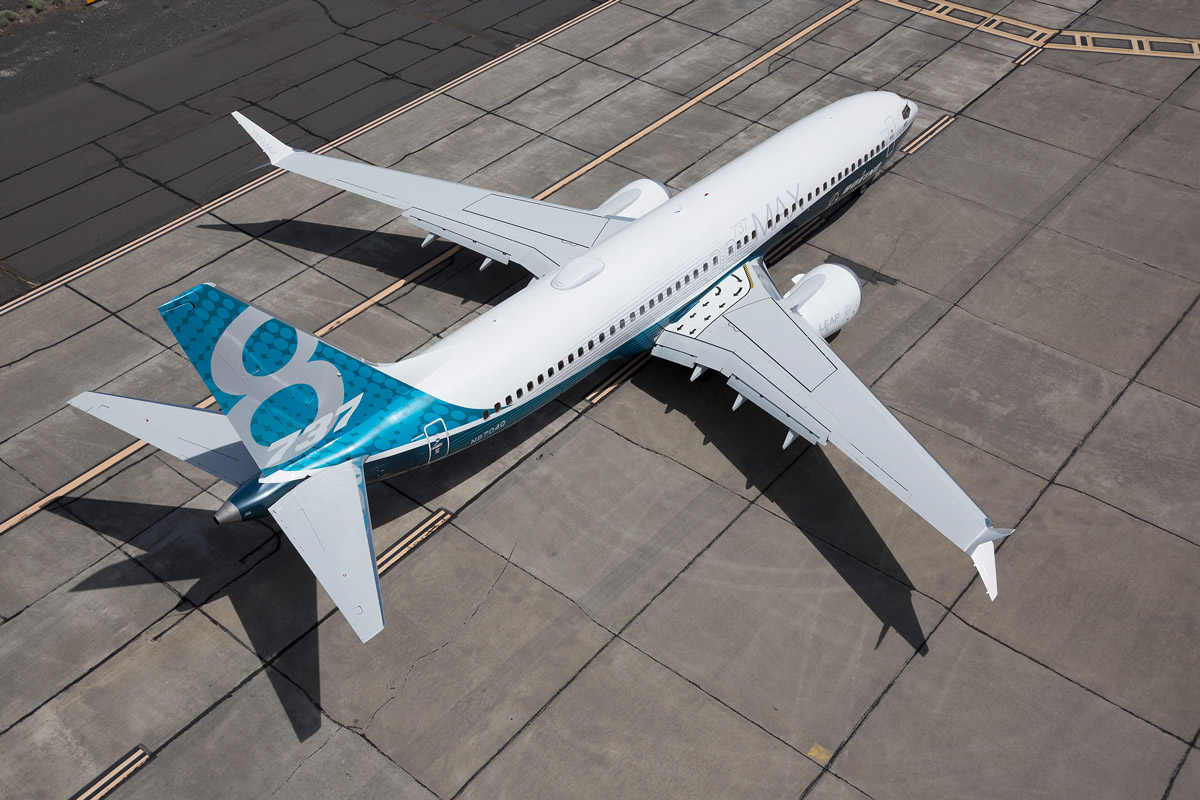
In a transformative move for the continent’s aviation landscape, the Nigerian Federal Government has announced a strategic partnership with global aerospace leader Boeing and the UK’s renowned Cranfield University to develop internationally certified Maintenance, Repair and Overhaul (MRO) facilities on Nigerian soil. This landmark initiative, confirmed at the inaugural Nigerian International Airshow, directly targets the repatriation of an estimated $200 million annually spent by Nigerian airlines on overseas aircraft maintenance.
The Secretary to the Government of the Federation, Senator George Akume, unveiled the partnership, naming leading Nigerian operators Aero Contractors and XEJet as the local drivers of the project. New MRO hubs are already planned for the nation’s key aviation nodes: Lagos and Abuja.
This ambitious infrastructure push is not occurring in isolation. It is strategically positioned atop a platform of robust sectoral growth and sweeping modernization:
· Traffic & Revenue Surge: Nigeria’s passenger traffic hit 15.89 million in 2023, with projections soaring to 25.7 million by 2029. Annual industry revenue is expected to reach $2.58 billion.
· GDP Contributor: Aviation contributes approximately 2.5% to national GDP, supported by 20 airports, 23 active airlines, and a deepening talent pool.
· Infrastructure Revolution: A monumental ₦712 billion overhaul of Lagos’s Murtala Muhammed Airport is underway, complemented by modernization projects at five other major airports and runways nationwide.
· Regulatory Leadership: Nigeria now ranks as Africa’s leading country for compliance with international aviation safety standards.
· Sky-High Connectivity: The successful launch of Air Peace’s Lagos-London route and the return of carriers like Emirates underscore Nigeria’s expanding global reach.
The current MRO announcement is the concrete realization of a 2024 Memorandum of Understanding signed between the Nigerian government and Boeing. That agreement, executed in Seattle by Aviation Minister Festus Keyamo, committed Boeing to providing Nigerian operators with comprehensive training, technical support, and operational assessments.
Crucially, Boeing’s Airport Engineering team was tasked with advising on airport expansion and the development of local maintenance facilities—laying the direct technical groundwork for the hubs now being established.
“This partnership marks a major step in modernising Nigerian airlines,” stated Minister Festus Keyamo at the time of the MoU.
Echoing this sentiment, Boeing’s Vice-President for Commercial Sales in Africa, Anbessie Yitbarek, emphasized the deal’s role in “building a sustainable civil aviation ecosystem in Nigeria.”
The shift from advisory support to physical infrastructure represents a pivotal moment. Nigeria is now poised to become a major MRO player in West Africa, though it enters a competitive field with established hubs in the Middle East and emerging centers across the continent.
Officials, however, are confident in Nigeria’s strategic advantages: its vast domestic market, geographic position as a natural West African gateway, and rapidly expanding airline network. The scale of local fleet growth alone creates a compelling business case for in-country MRO services.
Secretary Akume highlighted Nigeria’s proactive engagement on the global stage, noting, “At the Dubai Airshow, Nigeria showcased its readiness to collaborate on next-generation aviation and defence technologies.”


Comments are closed.