
Boeing’s fourth-quarter 2025 results deliver a headline-grabbing message: the company is climbing out of the hole. Revenue surged to $23.9 billion in the quarter, largely driven by a rebound in commercial aircraft deliveries to 160 jets, and Boeing reported $1.3 billion in operating cash flow. For the full year, revenue reached $89.5 billion on 600 commercial deliveries, its strongest annual delivery performance since 2018, while total company backlog rose to a record $682 billion, including more than 6,100 commercial airplanes.
But the deeper story inside these numbers is more nuanced and more important for airlines, suppliers, and investors. Boeing’s reported profitability in the quarter was heavily influenced by portfolio moves rather than purely “factory-floor” performance. Earnings reflected a $9.6 billion gain tied to the closing of its Digital Aviation Solutions transaction, which boosted reported earnings per share significantly. In other words: Boeing’s quarter shows real operational improvement, but the earnings spike is not a clean read on underlying manufacturing profitability.
A recovery driven by deliveries yet commercial airplanes still lose money
The clearest operational progress is in Boeing Commercial Airplanes. Deliveries rose sharply compared with the prior-year period, and segment revenue jumped to $11.4 billion in Q4. Boeing says this reflects improved operational performance and higher volume, an important milestone after several years defined by production disruptions, quality concerns, and delayed deliveries.
Yet even with higher deliveries, Commercial Airplanes still posted an operating loss: -$632 million for the quarter and -$7.1 billion for the full year. That’s the central contradiction of Boeing’s current phase: output is rising, but the commercial business is still absorbing heavy costs—stemming from program pressures, manufacturing disruption hangovers, and the expensive work of stabilizing the production system.
This matters because the aircraft market right now is less about demand and more about deliverable capacity. Airlines don’t just want Boeing “back.” They want Boeing predictable, able to produce at scale without quality backsliding or further certification delays.
Spirit AeroSystems: Boeing reclaims a critical part of its supply chain
One of the most consequential developments in Boeing’s update is the company’s confirmation that it acquired Spirit AeroSystems in December, a move Boeing frames as reinforcing safety, quality, and production stability.
Strategically, this is Boeing acknowledging that supply-chain fragility is not a side issue, it is core to the company’s recovery. Spirit has been a critical aerostructures supplier, and persistent quality and workflow issues in the upstream supply chain have historically cascaded into delivery interruptions downstream. Re-integrating Spirit is effectively a bet that controlling more of the manufacturing system will reduce friction, tighten quality discipline, and smooth production flow over time.
This is not just a Boeing story; it is an industry story. In a world where Airbus is sold out well into the next decade and engine and parts shortages remain structural constraints, Boeing’s ability to deliver consistently has direct implications for global airline growth.
Certification and production rates: progress, but the hard part remains
Boeing points to multiple program milestones in the quarter:
-
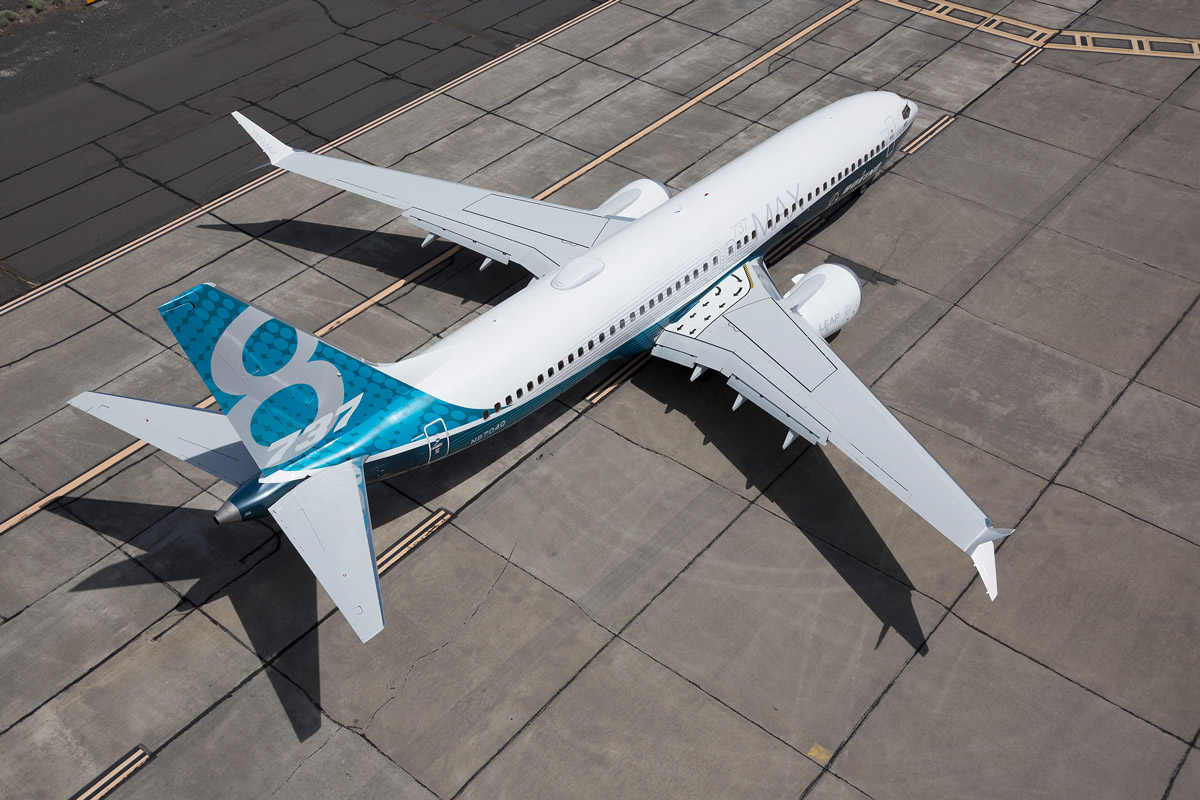
The 737 program increased production to 42 aircraft per month, a notable step in rebuilding volume.
-
The company received regulatory approval to begin the final phase of 737-10 certification flight testing, an important marker for a variant central to many airline fleet plans.
-
The 787 program began transitioning production toward eight aircraft per month, aiming to stabilize at that rate.
-
The 777X program entered a later certification testing phase, with Boeing maintaining a target of first delivery in 2027.
These updates matter because Boeing’s competitiveness is not only about building airplanes, it’s about completing development and certification of the airplanes airlines most urgently need. The continued absence of certified capacity in certain key variants has distorted fleet planning across the global market, pushing carriers toward expensive leasing, deferred retirements, and operational compromises.
Cash and debt: liquidity improves, leverage remains
Boeing ended the quarter with $29.4 billion in cash and marketable securities, up from $23.0 billion at the start of the quarter, driven largely by proceeds from the Digital Aviation Solutions transaction and cash generation in the quarter. Debt rose modestly to $54.1 billion, reflecting financing impacts tied to the Spirit acquisition and ongoing debt management.
The company also noted access to $10 billion in credit facilities that remain undrawn—a sign Boeing is intent on keeping liquidity resilient as it navigates the final stretch of recovery, including certification, production ramp, and continued quality controls.
Defense and services: stabilizing, but not without pressure
Boeing’s Defense, Space & Security segment showed improved revenue and narrowing losses, though it still posted an operating loss for the quarter. Boeing highlighted continued program execution and new awards, while also noting losses on the KC-46A program driven by higher estimated costs—underscoring that fixed-price defense work remains a pressure point.
Boeing Global Services posted unusually strong operating earnings and margins in Q4, but that performance was materially influenced by the same divestiture gain recognized from the Digital Aviation Solutions transaction. Strip out the one-time effect, and Services remains a steadier, strategically important segment—but the quarter’s reported margin should not be interpreted as the new normal.



Comments are closed.