
Africa is set to become one of the world’s fastest-growing aviation markets, with passenger traffic rising at an average annual rate of 6% through 2044, according to Boeing’s newly released 2025 Commercial Market Outlook (CMO) for Africa.
Driven by a youthful and rapidly urbanizing population, an expanding middle class, and sustained investment in airports and intra-continental connectivity, the region’s commercial fleet is projected to more than double from today’s levels to 1,680 aircraft by 2044. To meet this surge, African airlines will take delivery of more than 1,200 new airplanes over the next two decades.
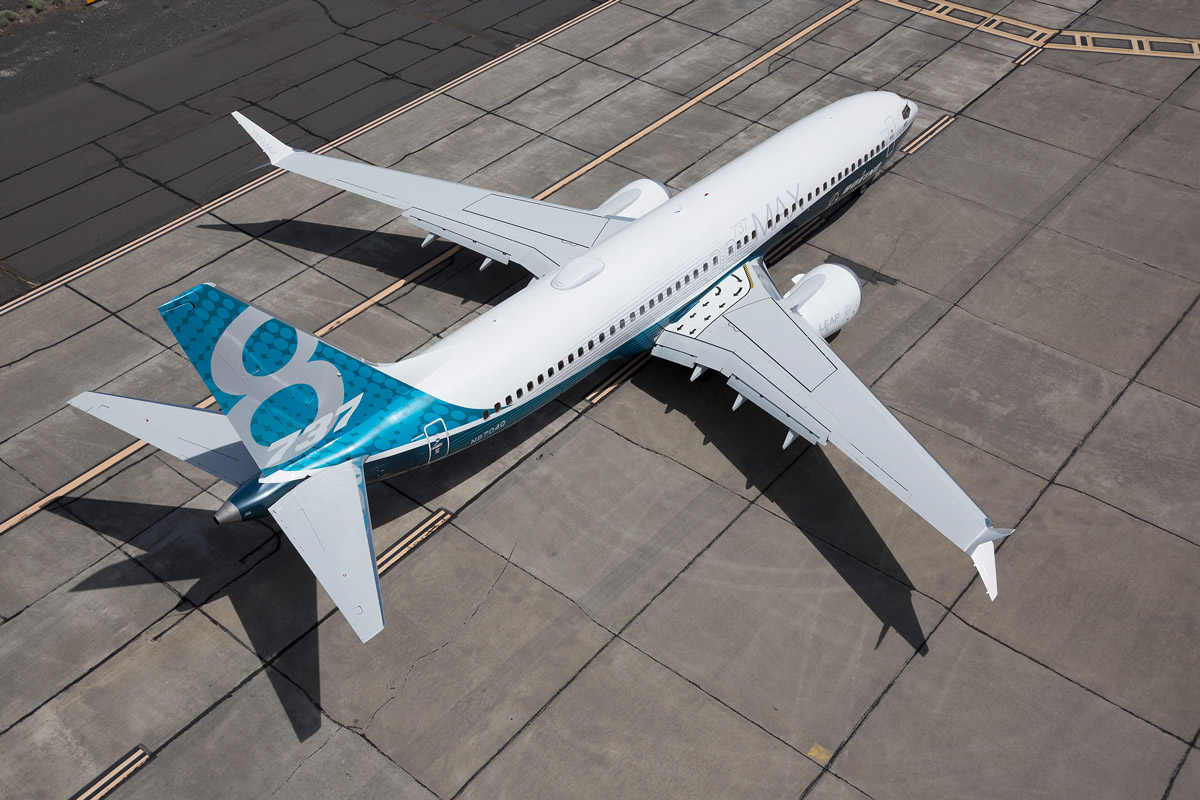
Single-aisle aircraft will dominate demand, accounting for roughly 70% of new deliveries (865 units), reflecting the rise of low-cost carriers and the expansion of domestic and regional networks linking secondary cities across the continent and to nearby Europe and the Middle East.
“Aviation is a catalyst for Africa’s economic expansion and intra-continental connection, building on industry growth we’ve seen across the region over the last 20 years,” said Shahab Matin, Boeing managing director of Commercial Marketing for Middle East and Africa. “More efficient, versatile airplanes – paired with investments and strategies to make air travel more accessible to more Africans – will unlock further growth opportunities for the region’s airlines and hubs.”
Key Highlights from Boeing’s 2025 Africa CMO (2025–2044)
- Passenger traffic growth: ~6% per year, among the highest of any global region
- Fleet expansion: From current levels to 1,680 aircraft by 2044
- New airplane deliveries: 1,205
- Single-aisle: 865
- Widebody: 240
- Regional jets: 90
- Dedicated freighters: 10
- Aftermarket services demand: ~$130 billion (maintenance, repairs, training, spares, and modifications)
- New aviation personnel required: 74,000 pilots, technicians, and cabin crew
Widebody demand will be driven by fleet modernization and ambitious long-haul expansion plans by flagship carriers targeting Europe, Asia, and North America, while a modest but steady need for dedicated freighters underscores Africa’s growing role in global e-commerce and perishable export corridors.
Beyond the direct impact of airlines, aviation’s multiplier effect will continue to power tourism, trade, foreign direct investment, and logistics development. Every new route and frequency creates thousands of indirect jobs in hospitality, ground handling, manufacturing, and supply-chain services.
The outlook arrives as African governments and the African Union push forward the Single African Air Transport Market (SAATM) and as new terminal and runway projects come online in cities such as Accra, Addis Ababa, Lagos, Abidjan, and Kigali. Combined with the proliferation of low-cost business models, these developments are making air travel affordable for a broader segment of the continent’s 1.4 billion people.
Boeing’s forecast reinforces Africa’s transformation from an aviation frontier into a high-growth market that will require coordinated investment in infrastructure, regulatory harmonization, skills development, and sustainable practices to fully realize its potential over the coming two decades.



Comments are closed.